Building a Sustainable Art Practice: Insights from Artlune's Monthly SIP Talk

"Most people don't struggle because they lack talent. They struggle because they don't have a structure."
This wasn't a motivational pep talk. It was a reality check and exactly what artists needed to hear.
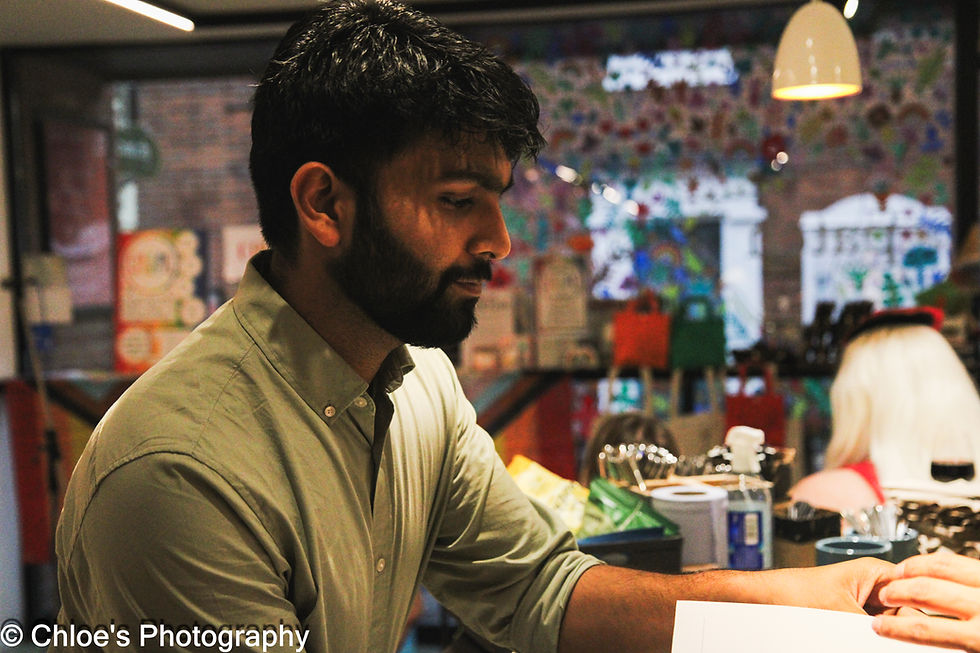
In our recent Talk, Sip & Connect session, Vikas Garg, art consultant and curator at Artlune, hosted a candid conversation about what it actually takes to build a sustainable art career.
If you've ever felt stuck despite working hard, or wondered why talented artists remain invisible while others with "simpler work" seem to get all the opportunities, this conversation had answers.

Uncomfortable Truth: Talent Isn't Enough (But You Already Knew That)
Vikas opened with a question that hung in the air: What makes the difference between talented artists who struggle and those who succeed?
One attendee offered: "Power of story. Understanding the market and your audience."
Vikas agreed, but went deeper. "I've seen artists with incredible work, technically strong, conceptually rich, but they're completely invisible. No audience, no collectors, no opportunities. At the same time, I've seen artists with simpler work but clear direction, and they're consistently getting opportunities."
The difference? Not talent. But Structure and clarity.
Most artists focus obsessively on improving their craft (which matters) but neglect the infrastructure that actually builds careers. They post regularly, get likes, even receive compliments, but no sales, no exhibitions and no momentum.
Why? Because effort without direction is just motion without progress.
What Does a Sustainable Art Career Actually Look Like?
Vikas broke it down into four essential elements that need to be balanced:
Creative growth – Are you developing your practice?
Financial stability – Can you sustain yourself?
Visibility – Are the right people seeing your work?
Personal well-being – Are you avoiding burnout?
"If you only focus on creativity, you'll struggle financially. If you focus only on money, you'll lose the depth of your work," Vikas explained. "Sustainability is a balance."
When asked which area he was lacking, Tanishq was honest: "Financial stability. But I think when my creativity finds the right direction, it will all come together."
Vikas paused. "But how will it find that direction? That's where structure comes in."
The Four Pillars Every Artist Needs (And Which One You're Probably Ignoring)
Through working with emerging and mid-career artists, Vikas identified four pillars that hold up a sustainable practice:
Pillar 1: Practice (But Not the Way You Think)
"The biggest mistake artists make is waiting for inspiration," Vikas said. "Professional artists don't wait. They build a routine."
When asked if he was consistent, Tanishq admitted, "Yes, luckily I've been consistent. But the structure wasn't right. I missed daily sketching. I was randomly jumping into what my senses responded to rather than getting clarity in one direction."
That's the trap, being busy without being intentional.
Pillar 2: Positioning (The Part Most Artists Get Wrong)
This is where things got uncomfortable.
Vikas challenged Tanishq: "Can you explain your work in one sentence?"
After a pause, Tanishq offered: "I paint how suffering becomes normal in everyday life."
"That's strong," Vikas responded. "Much better than saying 'I create abstract paintings exploring emotions.'"
The difference? Specificity. Clarity. A point of view.
"Collectors, curators, galleries don't buy confusion," Vikas emphasised. "If you're not clear, they won't entertain you. They invest in clarity."
Most artists can't articulate what their work is about beyond vague statements. And that vagueness kills opportunities before they even begin.
Pillar 3: Visibility (It's Not Just About Instagram)
When Vikas asked what visibility meant, one attendee nailed it: "Getting the right eyeballs. Knowing your audience and putting your work where it's accessible: galleries, social media, websites."
But Vikas added a warning: "If your entire strategy is just social media, you're building on unstable ground. Algorithms change constantly. You need to be present in exhibitions, collaborations, and platforms where your actual audience resides."
Relying solely on Instagram is like building a house on rented land. The platform owns the ground; you're just a tenant.
Pillar 4: Income Streams (Plural, Not Singular)
Vikas shared an example: "One artist only sells original artwork. Another sells prints, does workshops, and takes commissions. When sales slow down, the first artist struggles. The second continues earning."
Sustainability requires multiple revenue streams. Commissions, prints, collaborations, workshops: diversification isn't just smart, it's essential.
Why Artists Burn Out (And It's Not What You Think)
Second attendee identified the usual suspects: "Financial instability. And the perceived lack of inspiration."
Vikas reframed it: "Burnout doesn't come from working too much. It comes from lack of direction, financial stress, and no clear structure."
Without a system, artists stay stuck in the same place for years: posting, creating, hoping something will change. But hope without structure is just wishful thinking.
The solution? A 90-day cycle:
Weekly creation – Consistent practice
Monthly outreach – Attending openings, connecting with the ecosystem
Quarterly review – Evaluating what's working and what's not
Growth and visibility improve when you connect with collectors, curators, and collaborators. You can't build a career in isolation.
Breaking Down the Three-Year Goal
When asked where he saw himself in three years, Tanishq had a clear answer: "India Art Fair. That's where real art exists in India. Where your voice matters."
Big goal. But how do you get there?
Vikas broke it down into repeatable 3-month cycles:
Month 1: Clarity – Define your work, build consistent practice
Month 2: Visibility – Apply for exhibitions and residencies, reach out
Month 3: Income – Set pricing, create sales strategy, develop offers
"In three months, you'll realise what's working and what's not," Vikas explained. "Fail fast to learn fast. Use your time more efficiently."
When asked what his immediate priority was, Tanishq said: "Working on composition and sketching."
Perfect starting point. Clarity begins with focused practice.
"It takes courage to accept you're going wrong somewhere," Vikas said. "Most artists realise it but don't accept it. That's where structure makes the difference."
What Happens Next?
Want to dive deeper? Watch the full session on our YouTube channel to hear the complete conversation, examples, and Q&A.
And if you're serious about building a tailored strategy for your career, Artlune offers one-on-one consultations. These aren't templates, they're personalised plans based on your positioning, visual work and opportunities.