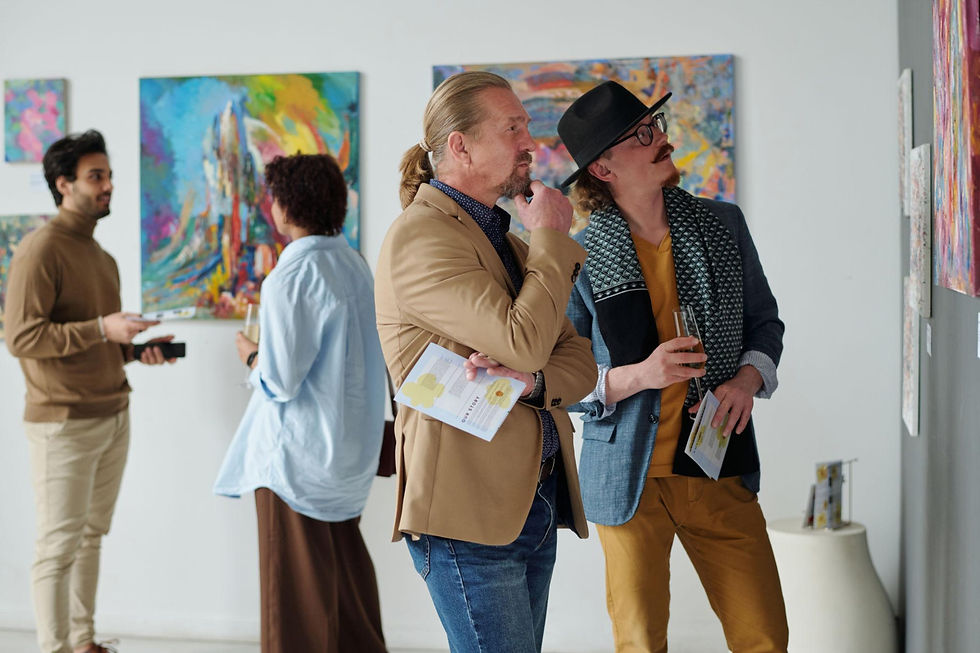
How Artists Can Build a Sustainable Art Business Without Losing Their Authenticity

For many artists, creating the work is the most natural part of the journey. Selling it is where things become uncomfortable.
At Artlune, we regularly meet artists who are deeply committed to their practice but feel disconnected from the “business” side of the art world. Some avoid talking about money entirely. Others feel overwhelmed by social media, pricing, visibility, or the pressure to constantly promote themselves online. There is often a quiet fear underneath all of this: the fear that treating art professionally might somehow make the work less honest or meaningful.
And honestly, that tension is understandable.
The art world has long romanticised the idea that good work should simply “speak for itself.” But the reality is more complicated than that. Building a sustainable creative career requires more than talent alone. It requires clarity, relationships, consistency, and systems that support both the artist and the work over time.
The good news is this: building an art business does not mean becoming corporate or inauthentic.
It means learning how to create conditions where your work can actually reach the people it is meant for.

Why Trying to Appeal to Everyone Often Backfires
One of the biggest mistakes artists make early in their careers is assuming that broader appeal automatically leads to greater success. In an attempt to attract more people, many artists begin softening their voice, simplifying their ideas, or shaping their work around what they think audiences want to see.
But work that tries to speak to everyone often struggles to deeply connect with anyone.
The artists who build meaningful and sustainable careers usually create from a place of specificity. Their work carries a distinct perspective, emotional language, or recurring concern that feels intentional rather than generic. And interestingly, that specificity is often what draws people in.
The same applies to building an art business. Artists benefit from understanding not just what they are creating, but who emotionally connects with it and why. This is not about reducing art to branding language. It is about recognising resonance.
Research from Artsy and Art Basel’s market reports consistently shows that collectors are more likely to engage with artists who present a clear and cohesive practice. People respond to clarity because it creates trust. They want to understand what an artist stands for, what themes continue to emerge in the work, and what perspective the artist is bringing into the world.
At Artlune, we often encourage artists to stop thinking only about “buyers” and instead think about communities of connection. Most collectors are not simply purchasing decoration. They are responding to something emotional, intellectual, political, cultural, or deeply personal within the work.
Visibility Alone Does Not Create Sustainability
Social media has changed the art world dramatically. Artists today have more visibility and access than ever before. But visibility without direction can quickly become exhausting.
Many artists spend enormous amounts of energy posting online without asking themselves a more important question: What kind of artistic life am I actually trying to build?
Without clarity around long-term direction, it becomes easy to chase every trend, algorithm shift, or opportunity without building meaningful momentum. One week it is Instagram growth. Next week, it is NFT conversations. Then it becomes short-form video content. Constantly reacting to digital culture can leave artists feeling scattered and creatively drained.
Building a sustainable art business requires vision.
Not necessarily rigid five-year plans, but an honest understanding of what kind of practice you want to develop. Some artists want gallery representation. Others want independent collector relationships, public commissions, residencies, teaching opportunities, or slower studio-based practices with intentional growth. There is no single correct path.
A 2023 survey by The Creative Independent found that artists who define personal measures of success beyond social media engagement tend to experience greater long-term creative satisfaction and sustainability. This is important because visibility alone is not stability. Direction is what creates sustainability.
Selling Art Is Really About Building Trust
One reason many artists feel uncomfortable with sales is that they associate selling with pressure or persuasion. But meaningful art sales rarely happen through aggressive tactics.
Most collectors are not looking to be convinced. They are looking to feel connected, reassured, and emotionally invested.
Buying artwork is deeply personal. People are choosing to live with something, return to it daily, and attach meaning to it over time. That process requires trust.
At Artlune, we often remind artists that they do not need to “sell harder.” They need to communicate more clearly.
Collectors want to understand the story behind the work, the ideas shaping the practice, and the emotional or conceptual context surrounding a piece. They want to feel a sense of connection with the artist and confidence in the work itself.
Research published in Harvard Business Review around luxury and cultural consumer behaviour suggests that emotional storytelling significantly increases trust and long-term engagement. People remember stories far more than specifications. They may forget dimensions or mediums, but they remember how an artwork made them feel.
This is why storytelling matters so deeply in the arts.
Your Story Is Part of the Work
Artists often underestimate how much audiences care about process, thought, and lived experience.
Collectors rarely invest only in an object. They are also investing in narrative, perspective, and meaning. They want to understand why certain materials matter to you, what memories shaped the work, or what questions continue to appear throughout your practice.
This does not mean artists need to over-explain everything they create. But thoughtful storytelling helps audiences emotionally enter the work.
In an era where people encounter thousands of images every day online, emotional connection becomes increasingly valuable. A visually beautiful artwork may catch attention briefly, but meaningful stories are what often create lasting engagement.
At Artlune, we have repeatedly seen artists build stronger collector relationships when they communicate openly and thoughtfully about their practice rather than relying only on aesthetics.
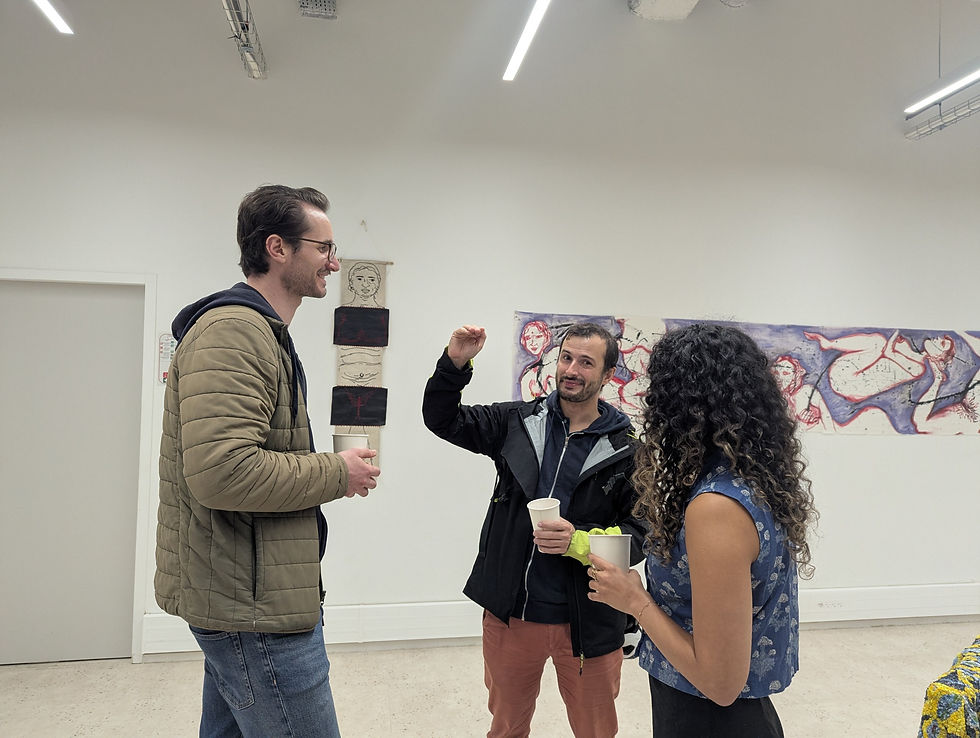
Relationships Build Careers More Than Algorithms Do
There is a growing misconception in the contemporary art world that success comes primarily from virality. But sustainable artistic careers are usually built through relationships, not algorithms.
Collectors return to artists they trust. Curators remember artists who engage thoughtfully. Collaborators continue working with people who communicate clearly and remain consistent over time.
This is why networking matters, though perhaps not in the superficial way the word is often understood.
Real networking is simply relationship-building. It happens through conversations, shared support, curiosity, follow-ups, exhibitions, collaborations, and genuine engagement within creative communities.
A LinkedIn Workforce Insights study found that referrals and relationship-based opportunities remain among the strongest drivers of professional growth across industries.
The art world functions similarly, perhaps even more relationally than most other fields.
At Artlune, we often remind artists that community itself becomes part of sustainability. People support artists they feel connected to over time.
Technology Should Support Your Practice, Not Control It
Today’s artists are expected to manage websites, social media platforms, newsletters, inventory systems, applications, pricing, documentation, and client communication all at once. Unsurprisingly, many artists feel overwhelmed trying to balance creative work with constant administrative demands.
This is where systems become important.
Simple organisational tools, inventory management systems, mailing lists, and structured communication processes can reduce unnecessary stress and create more space for actual creativity. Technology itself is not the solution to artistic growth, but thoughtful systems allow artists to work more sustainably.
And importantly, consistency matters far more than intensity.
You do not need to be online every hour of the day. You do not need to constantly produce content to remain relevant. What matters is creating sustainable visibility that supports your practice without consuming it entirely.
Sustainable Careers Are Built Slowly
Perhaps the hardest truth artists need to hear is this: most sustainable art careers grow slowly.
The art world often celebrates breakthrough moments, viral visibility, or overnight recognition. But behind most visible artists are years of consistent practice, rejection, experimentation, relationship-building, uncertainty, and persistence.
Growth in the arts is rarely linear.
At Artlune, we believe artists deserve more honest conversations around sustainability. Not every success story needs to look massive or immediate. A meaningful artistic career can be built gradually through trust, consistency, and intentional growth.
Small wins matter.
A returning collector matters.
A thoughtful conversation matters.
A successful exhibition matters.
An audience slowly growing around your work matters.
Because sustainable careers are rarely built through one dramatic moment.
They are built through repeated acts of showing up, staying connected to your practice, and continuing even when progress feels slow.
And perhaps that is what authenticity actually looks like in the long run. Not resisting the business side of art entirely. But learning how to build a creative life where both the work and the artist can continue to grow together.
References
Art Basel & UBS Art Market Report
Artsy – Research on collector engagement and artist visibility
Harvard Business Review – Studies on storytelling, trust, and luxury consumer behaviour
The Creative Independent – Essays and surveys on sustainable creative careers
LinkedIn Workforce Insights – Research on professional networking and referrals
The Art Newspaper – Discussions on market behaviour and artist sustainability
Forbes – Articles on creative entrepreneurship and audience-building
Tate – Resources on artist practice, visibility, and public engagement